I'm a quality compliance manager at a commercial facilities company. I review every piece of equipment before it reaches our floors—roughly 200 units annually. In 2024, I rejected 15% of first deliveries due to spec mismatches. That's why I tell people: the right cleaning equipment depends entirely on your situation. Not the brochure. Not the sales rep. Your reality.
Most facility managers fall into one of three scenarios. Figure out which one you're in before you spend a dollar.
Scenario A: Small Commercial Space, Tight Budget
You run a retail store, small office, or clinic. Maybe 5,000 square feet. You need a floor scrubber that works, but you can't justify $8,000 on a new machine.
My advice: Consider a pre-owned Clarke floor scrubber or a lease. Clarke equipment is known for durability, and used models often have plenty of life left if you check the brushes and batteries. I went back and forth between a new budget model and a used Clarke for two weeks. The new one offered a warranty; the used Clarke had a proven track record. I chose the Clarke—and it ran for six years with basic maintenance.
What about brands like Dreame floor scrubber? They're popular for light-duty use. Fairly affordable. But here's the thing: parts availability can be spotty. If your machine goes down, you might wait weeks for a replacement brush. For a small space, that's a hassle. For an industrial floor, it's a crisis.
So for Scenario A: buy used from a reputable dealer, or lease with a maintenance plan. Skip the cheapest new option unless you've verified parts support.
Scenario B: Large Industrial Facility, High Frequency
You manage a warehouse, manufacturing plant, or distribution center. Your equipment runs 8+ hours a day, 6 days a week. Downtime costs thousands per hour.
My advice: Buy new, and buy for spec. This is where Clarke equipment shines—commercial floor scrubbers, industrial sweepers, pressure washers. But you need to match the machine to your floor type, square footage, and contamination level.
I learned a hard lesson in 2023: we bought a "great deal" on a non-name brand pressure washer. It saved us $2,000 upfront. Then the pump failed in month three. Repair cost: $1,800. Downtime: two days. Total loss: way more than the savings. The assumption is that cheaper equipment saves money. The reality is that unreliable equipment costs more in the long run. The causation runs the other way—quality upfront reduces total cost.
For pressure washers, don't overlook accessories. Mi-T-M pressure washer accessories are widely available, but make sure they're compatible with your unit's PSI and flow rate. A $50 nozzle that doesn't fit is a $50 paperweight.
For large facilities, also consider Fanttik pressure washers? They're gaining traction for medium-duty tasks. But for continuous industrial use, I'd stick with a heavier-duty brand like Clarke or Mi-T-M. Check the duty cycle.
Industry data suggests that proper maintenance extends floor scrubber life by 30–40% (Source: Cleaning Equipment Trade Association, 2024).
Scenario C: Project-Based or Temporary Needs
You need equipment for a one-time cleanup, a construction project, or seasonal demand. Maybe a few weeks. Maybe a few months.
My advice: Rent. Don't buy. Unless you can find a used Clarke equipment at a price you can resell after the project. But renting eliminates maintenance headaches.
The most frustrating part of temporary equipment: you get a machine that's been beaten up. You'd think rental companies would maintain their fleets, but quality varies wildly. I once rented a floor scrubber that leaked from day one. The rental company's response: "That's normal for that model." Not ideal, but workable—we put a tray under it. Still, it cost us time.
If you do rent, inspect before you sign. Run it for 10 minutes. Check for leaks, strange noises, and battery life. And ask about their repair turnaround if something breaks.
How to Know Which Scenario You're In
Ask yourself these questions:
- How many hours per week will the equipment run? Under 10? Scenario A. Over 30? Scenario B.
- What's your annual maintenance budget? If it's near zero, rent (Scenario C) or buy new with a warranty (Scenario B).
- Do you have in-house repair capability? If not, prioritize brands with strong service networks—Clarke has a solid one.
- Is this a one-time need or ongoing? One-time = rent. Ongoing = buy.
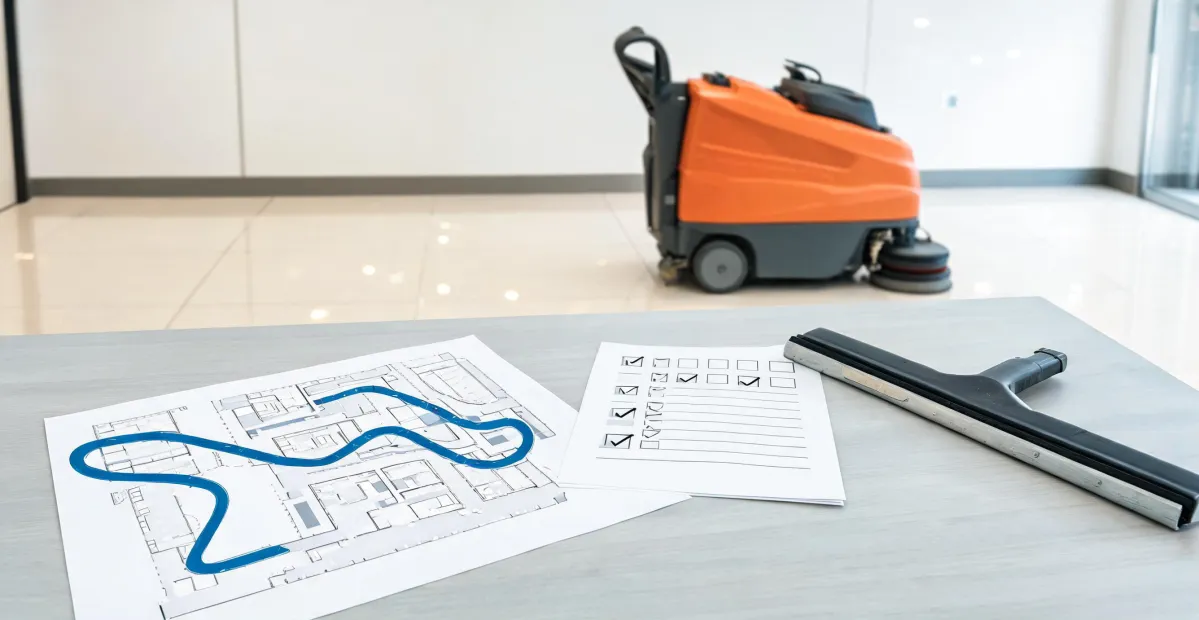
When I implemented our verification protocol in 2022, I started requiring a 10-point checklist before any equipment purchase. It cut our return rate by 40%. The checklist is simple: verify specs, check parts availability, confirm warranty terms, and test the unit before full acceptance.
Final Thought: Education Beats Persuasion
I'd rather spend 10 minutes explaining options than deal with mismatched expectations later. An informed customer asks better questions and makes faster decisions. So whether you're searching for clarke equipment, comparing a dreame floor scrubber, or hunting for mi-t-m pressure washer accessories, know your scenario first. The right answer isn't universal—it's personal.
And if you happened to land here searching for clarke county land for sale? Well, that's a different kind of investment. But if you need equipment to maintain that land, you're in the right place.