Equipment guidance: [email protected] Dealer support | Parts planning | Demo scheduling
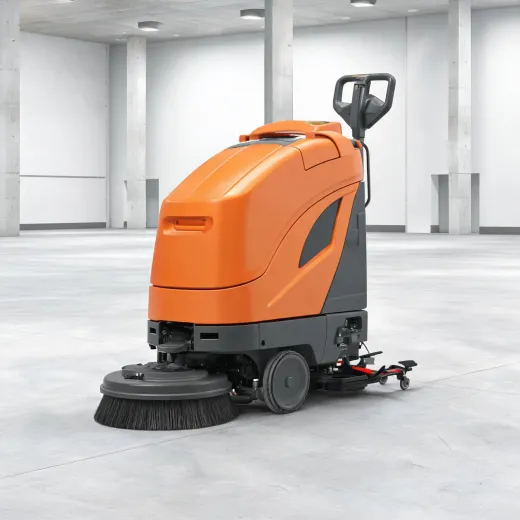
Clarke floor scrubber cleaning a warehouse aisle
Floor care choices made easier

Clarke helps teams match scrubbers and washers to real floor conditions.

Share the route length, soil type, water access, and shift window. Clarke turns that information into practical machine guidance for safer, cleaner daily operations.

Where Clarke fits

Commercial cleaning programs with different traffic patterns.

Each facility type changes how a machine should handle runtime, maneuverability, water recovery, and operator comfort.

W

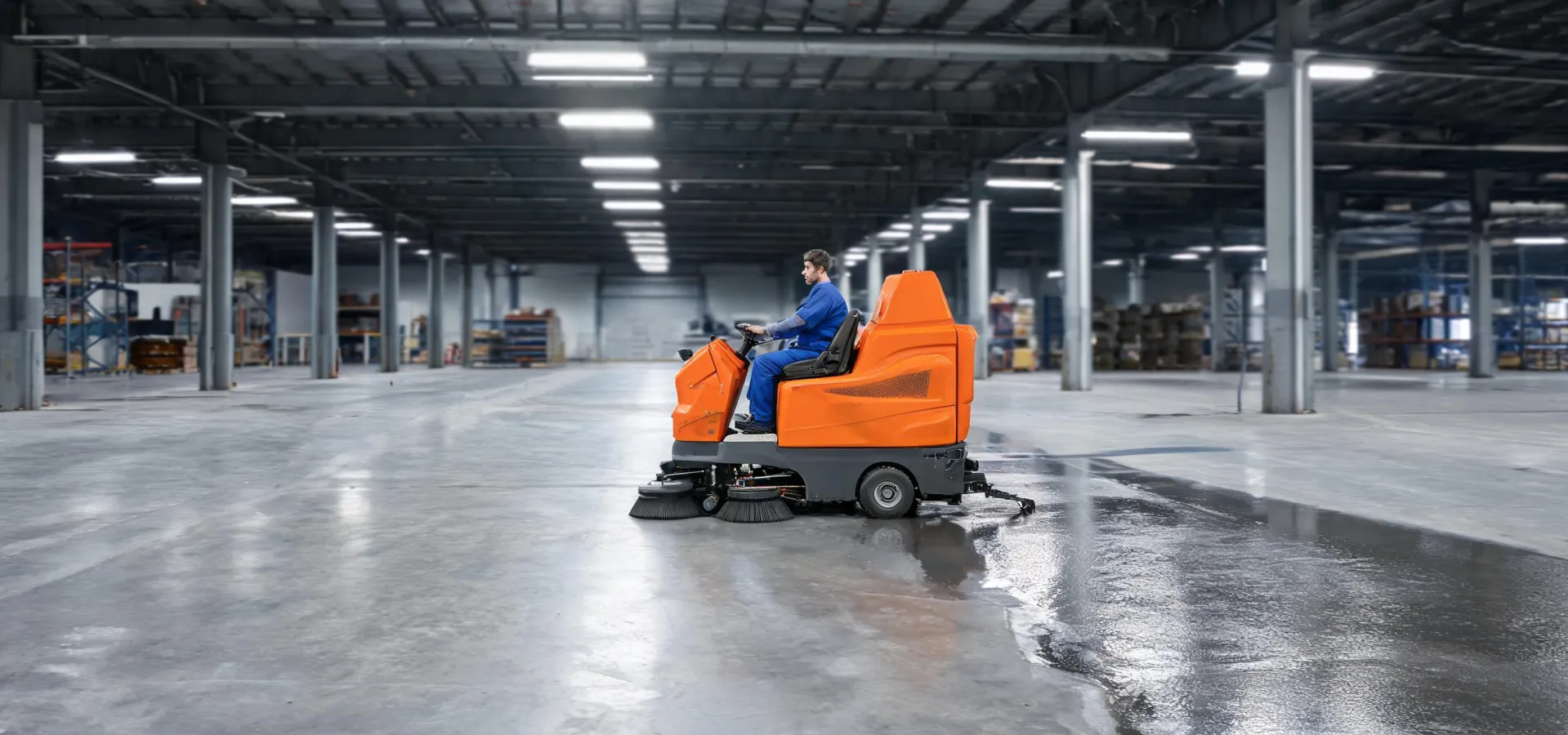
Warehouses

Long lanes, dust tracked from docks, and wide turns around pallets.
R

Retail Floors

Front-of-house shine, quick recovery, and low-disruption cleaning windows.

F

Food Plants

Washdown routines, hygienic surfaces, and predictable residue control.

H

Healthcare

Quiet operation, clear handoff notes, and reliable daily sanitation support.

Machine families

Compact choices for the floor tasks your crew repeats most.

Walk-behind Clarke floor scrubber

Walk-Behind Scrubbers

Balanced for aisles, classrooms, lobbies, and compact daily routes.
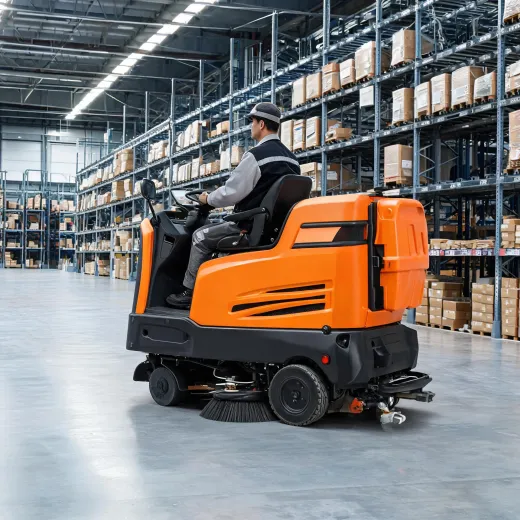
Ride-on floor scrubber for logistics facility

Ride-On Scrubbers

Higher coverage for shift-based cleaning across large hard floors.
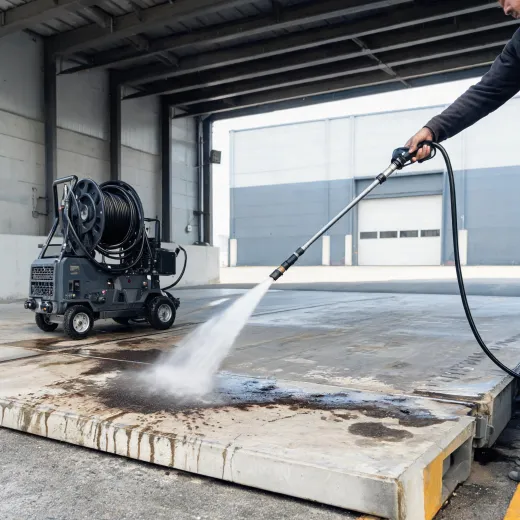
Cold water pressure washer cleaning loading dock

Pressure Washers

Focused impact for outdoor pads, service areas, and heavy residue.
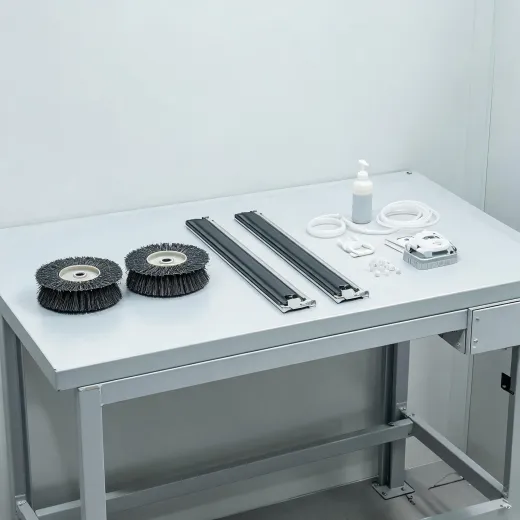
Floor care accessories for Clarke equipment

Consumables & Setup

Brushes, pads, squeegees, and usage notes matched to your surface.

Common planning questions

Answers before a crew commits to a machine.

Start with the longest daily route, then adjust for turns, charging windows, water refill points, and soil load. Clarke guidance focuses on coverage that a real operator can sustain.

Use scrubbers for indoor hard floors where recovery matters. Use pressure washers for exterior concrete, dock doors, equipment bays, or residue that needs directed spray impact.

Floor material, square footage, debris type, slope, doorway clearance, shift length, and who maintains batteries or consumables all make the recommendation sharper.

It is worth saying plainly. A floor scrubber will not fix a drainage problem, deep-clean carpet, or break down baked-on outdoor grime that needs spray impact. A pressure washer leaves standing water with no pickup, so it is wrong for indoor retail aisles that must dry and reopen fast. Battery models also need a charging window, and a ride-on can feel oversized in cluttered rooms. Clarke would rather flag these limits early than sell a machine into the wrong job.
Why teams ask Clarke first

Six practical checks built into every recommendation.

1

Route Mapping

Machine suggestions begin with cleaning paths, obstructions, and realistic pass counts.

2

Recovery Focus

Tank, squeegee, and brush choices are considered together instead of separately.

3

Operator Comfort

Controls, sight lines, noise, and turning radius are reviewed for daily use.

4

Consumable Planning

Pads, brushes, detergent, and wear parts are matched to the surface plan.

5

Service Readiness

Maintenance access and handoff routines are included before rollout.

6

Cost Visibility

Runtime, labor, water, and rework assumptions are made visible for buyers.

Bring Clarke a route, not a guess.

Tell us what your crew cleans, how often it runs, and where downtime hurts most. We will help narrow the machine list.