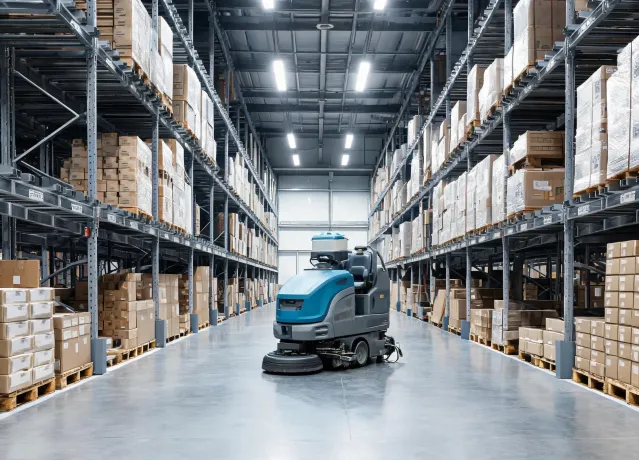
Warehouse & Logistics
Wide lanes need coverage speed, battery confidence, and recovery that keeps forklift routes usable soon after cleaning.
Warehouses, public venues, production floors, schools, and care environments all ask cleaning equipment to behave differently. Clarke guidance starts with that operating context.
A scrubber or pressure washer that performs well in one building may frustrate operators in another. Traffic density, floor finish, debris source, shift timing, water access, and acceptable noise levels all shape the final choice. Clarke helps buyers compare these realities before a machine lands on site.
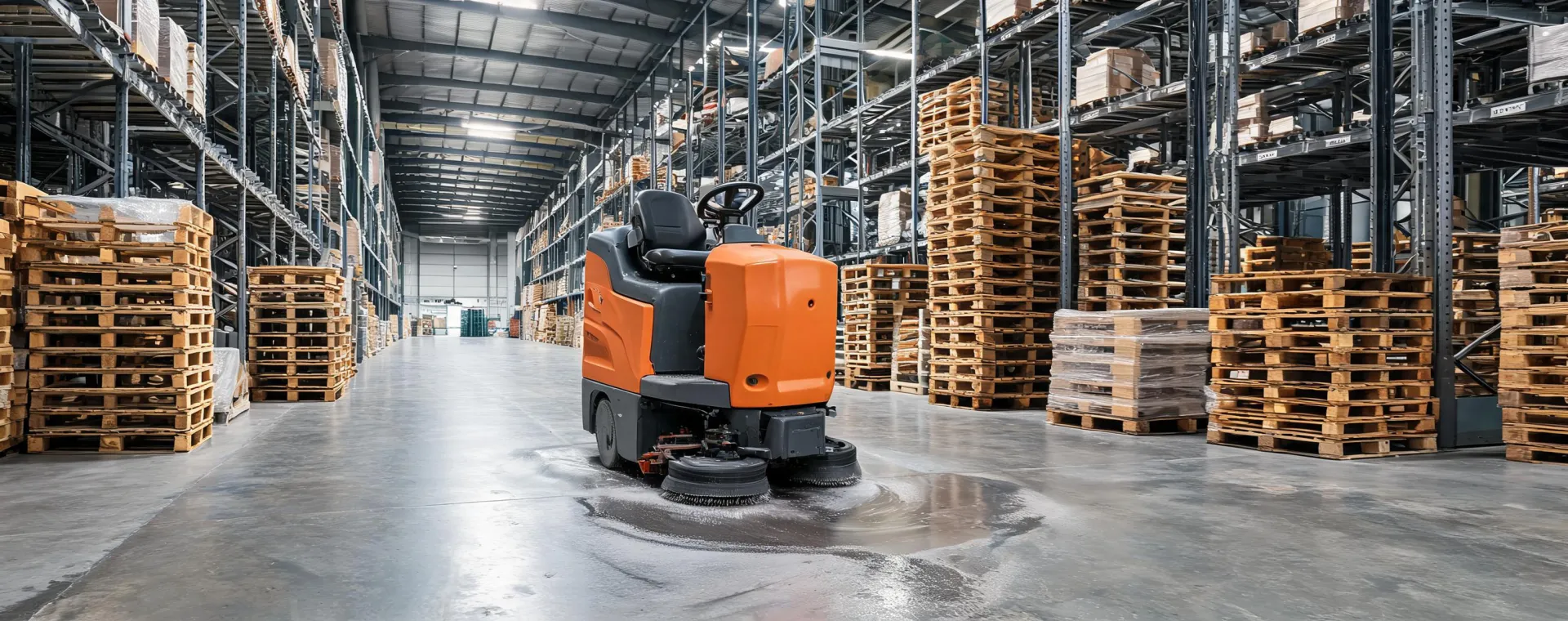
Wide lanes need coverage speed, battery confidence, and recovery that keeps forklift routes usable soon after cleaning.
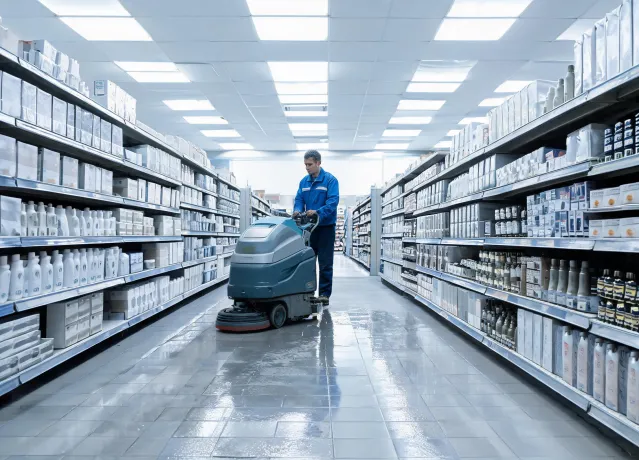
Front-of-house areas benefit from compact machines, easy controls, quick recovery, and a finish that looks ready for customers.
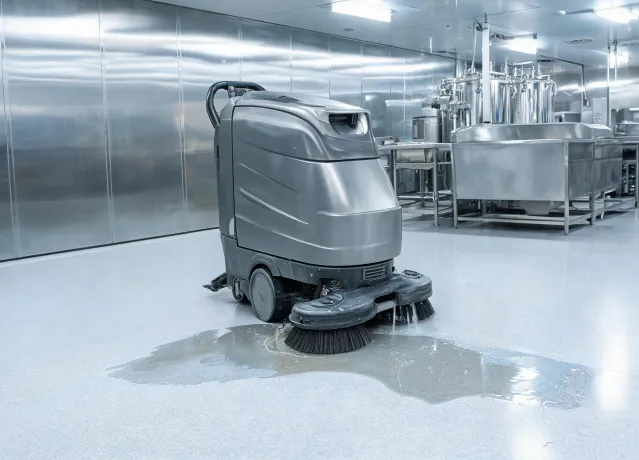
Residue, moisture, and hygiene procedures call for disciplined water control, brush selection, and repeatable end-of-shift checks.
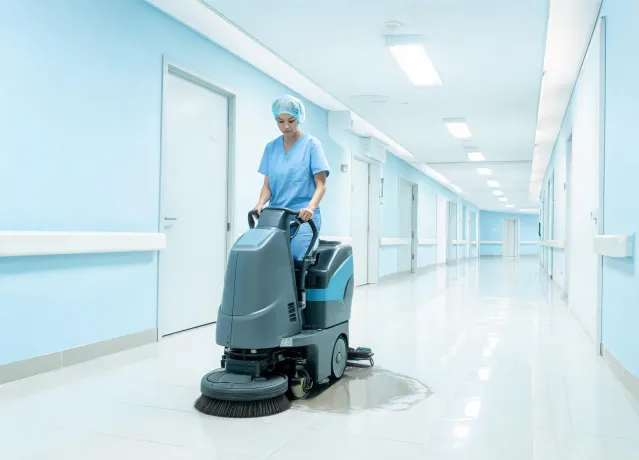
Quiet operation, clear sight lines, and consistent recovery help crews clean around staff, patients, visitors, and sensitive schedules.
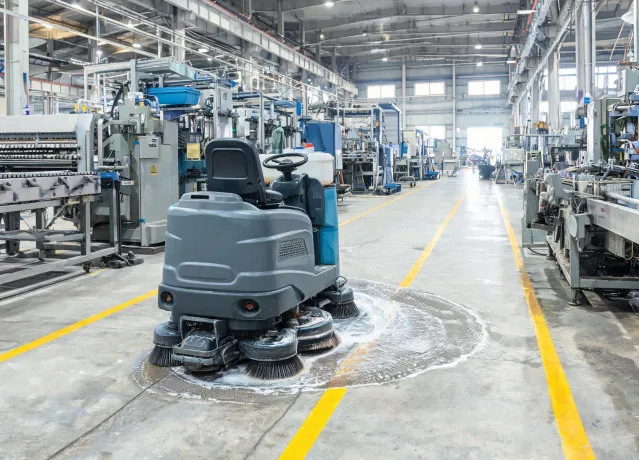
Industrial dust, tire marks, and process residue require a balance of scrub pressure, tank capacity, and access around equipment.
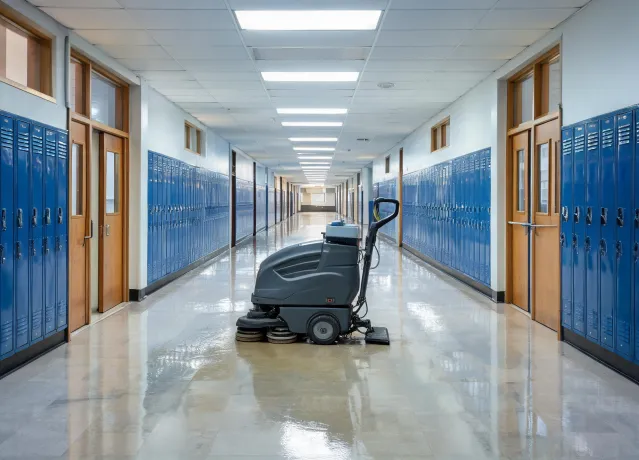
Shared spaces need simple training, durable parts, and predictable routines that work around classes, events, or visitors.
Buyers often ask Clarke whether one approach can cover a whole site. In practice the two methods solve different problems, and forcing the wrong one wastes labor. Here is the plain-language trade-off Clarke walks through with a facility team.
Best on sealed indoor surfaces where the water has to come back up. A walk-behind unit typically clears a 17-28 in (430-700 mm) scrub path and suits aisles, lobbies, and classrooms; a ride-on widens that path and lifts coverage toward 25,000-40,000 sq ft per hour on open floors.
Where it falls short: scrubbers struggle with baked-on outdoor grime, sloped exterior pads with no recovery, and sites with no charging window for battery models. Oversizing a ride-on for tight, cluttered rooms also backfires, because turning radius and storage become the daily problem.
Best on exterior concrete, dock aprons, and equipment bays where directed spray impact, not recovery, removes the soil. It handles residue a brush cannot lift and reaches surfaces a scrubber deck never touches.
Where it falls short: pressure washing leaves water on the floor with no built-in pickup, so it is the wrong tool for indoor retail or food-traffic zones that must dry and reopen fast. It also needs drainage, and over-pressuring can damage coatings, grout lines, or sensitive seals.
Clarke's honest position: most multi-area sites end up running both, with scrubbers owning the indoor route and a pressure washer reserved for outdoor and heavy-residue work. The mistake to avoid is buying one machine and expecting it to cover surfaces it was never built for.
Share what your building looks like on its busiest day. Clarke can help clarify whether floor scrubbing, pressure washing, or an adjusted route plan should come first.
Discuss Your Application