Equipment guidance: [email protected] Dealer support | Parts planning | Demo scheduling
About Clarke

Clarke is built around practical help for commercial floor care teams.

Behind every machine conversation is a facility manager trying to protect time, staff energy, and floor quality. Clarke works best when those realities are discussed openly.

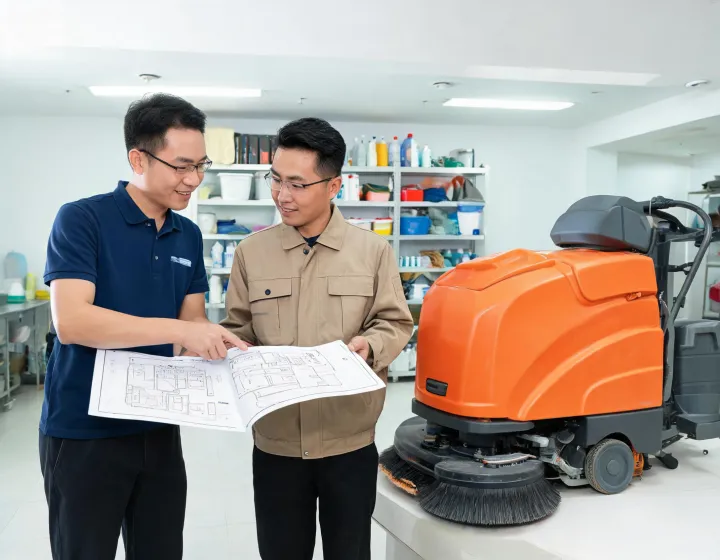
Clarke advisor reviewing cleaning route with facility team
A helpful way to choose equipment

Clarke conversations begin with the cleaner, not the catalog.

Many equipment searches start with a model number, but successful floor care starts earlier. A buyer may be dealing with tracked-in grit near dock doors, polished concrete that shows tire marks, slippery residue near production lines, or a retail floor that must look ready before opening. Clarke treats those details as the brief. The brand voice is friendly because cleaning teams rarely need more jargon; they need someone to translate site conditions into clear equipment choices.

The Clarke approach is especially useful when several departments share responsibility for the same floor. Purchasing wants a sensible budget. Operations wants predictable coverage. Maintenance wants parts that can be planned. Safety wants operators to feel confident in crowded spaces. By connecting those concerns, Clarke helps a floor scrubber or pressure washer support the whole routine rather than only a single task.

Good equipment guidance should make the next shift easier to run, easier to train, and easier to repeat.
Listen

Every recommendation starts with surface, soil, traffic, and staffing details.

Explain

Options are described in plain terms so teams understand tradeoffs.

Support

Consumables, service access, and daily checks are considered early.

Adjust

Feedback after rollout informs brush, pad, water, and route changes.

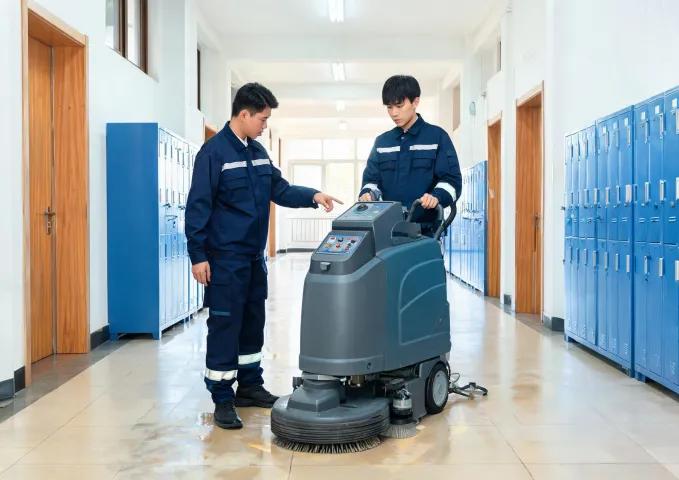
Operator training with Clarke scrubber

Training that respects the operator.

Commercial cleaning teams often learn on the move. Clarke materials and support conversations aim to make setup clear: how to inspect the squeegee, when to change pads, how to avoid over-wetting, and what to check before storing a machine. This reduces uncertainty for new users and helps experienced operators share routines with seasonal staff.

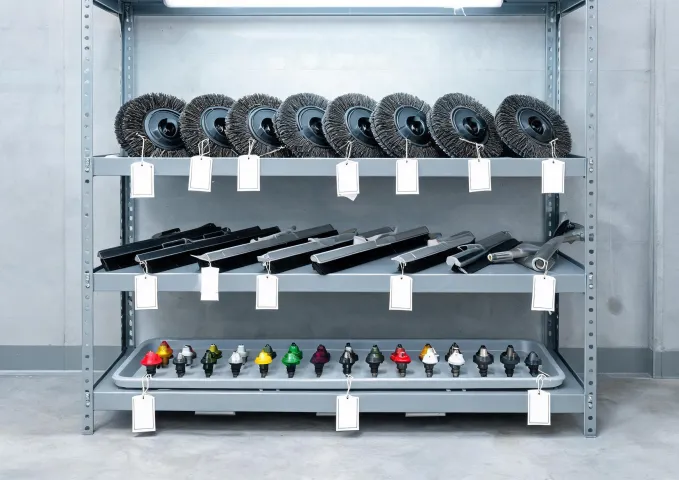
Maintenance shelf with scrubber parts

Planning that protects uptime.

A machine is only productive when the small items are ready. Clarke keeps attention on batteries, hoses, nozzles, filters, blades, pads, and brushes because these details determine how well the cleaning route survives a busy week. The result is a calmer ownership experience for sites that cannot afford surprise downtime.

Clarke is also clear about what equipment cannot do on its own. A scrubber will not compensate for a missing charging window, a clogged drain, or a route nobody has time to walk; a pressure washer needs drainage and the right standoff distance or it can mark coatings and grout. Saying this early sets honest expectations, which is the friendlier way to start a long ownership relationship.

Talk with Clarke

Describe the floor you need to keep ready.

Whether your team is replacing an aging scrubber, adding pressure cleaning to exterior routines, or building a new route, Clarke can help translate the situation into practical next steps.