Equipment guidance: [email protected] Dealer support | Parts planning | Demo scheduling
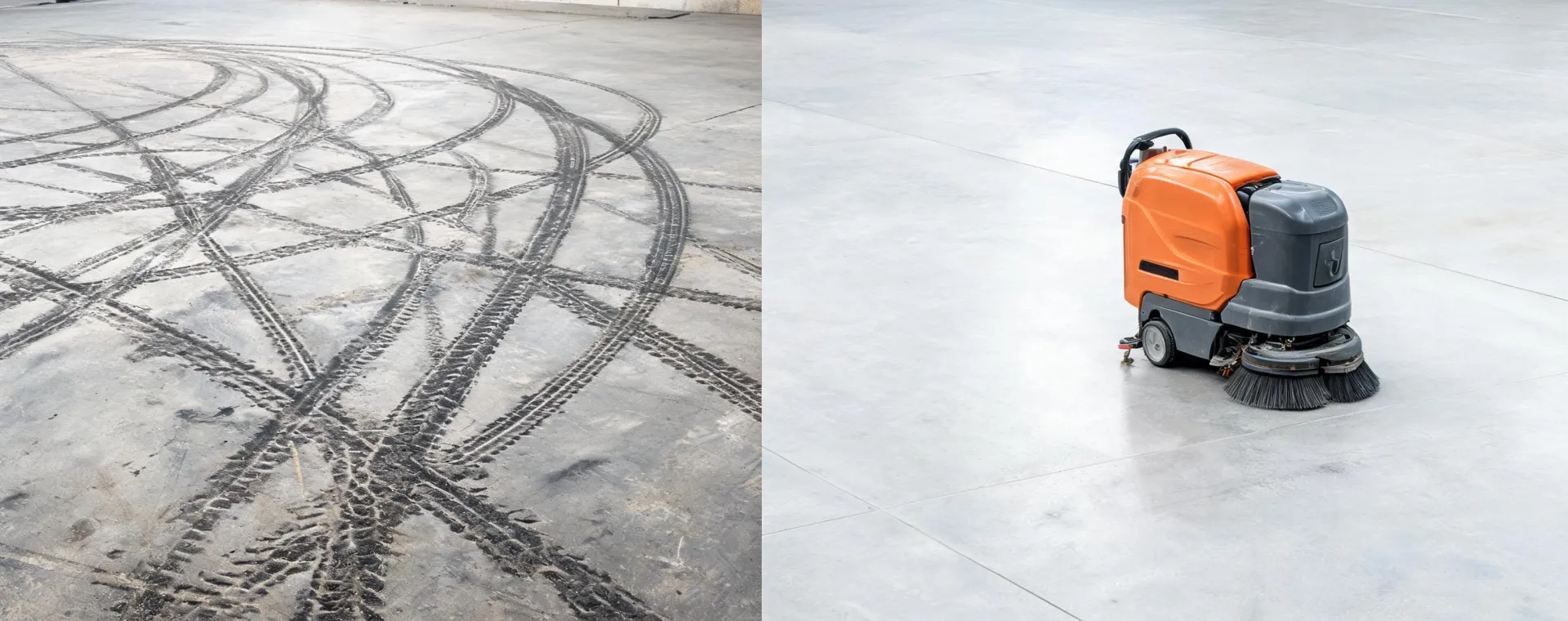
Before and after floor cleaning comparison
Selection resources

Clarke resources help teams compare cleaning cost before they buy.

This page turns machine selection into a practical conversation about coverage, labor time, water use, detergent control, and rework. Use the worksheets and comparison tools below to estimate the real cost of a route before you commit to a scrubber or sweeper.

Planning worksheet

Estimate the route before choosing the machine.

A facility may look simple on a floor plan, yet the cleaning route can be slowed by elevators, doors, turns, charging space, long hose pulls, or a shortage of refill points. Clarke resource conversations help buyers list those constraints and compare realistic machine behavior. Instead of focusing only on purchase price, the worksheet mindset looks at labor minutes, recovery quality, consumable wear, and the cost of cleaning the same area twice.

Use this section as a decision frame for floor scrubbers and pressure washers. Walk the route, write down the high-soil zones, count the refill opportunities, and decide who will maintain pads, blades, hoses, nozzles, and batteries. The more specific the answers, the better Clarke can narrow the product discussion.

Route inputs to gather

Floor areasq ft or m2
Cleaning windowminutes per shift
Soil typedust, grease, marks, residue
Water accessrefill and recovery points
Output: a shorter machine list, clearer consumable plan, and a demo brief your operators can test.
Resource examples

Three decisions a buyer can prepare before a demo.

Scrubber path or pressure impact?

Indoor polished surfaces usually need controlled scrub and recovery; outdoor pads or dock buildup may need pressure washing first. The honest trade-off: a scrubber lifts water back up but cannot break baked-on exterior grime, while a pressure washer at 2,000-4,000 psi clears that residue yet leaves standing water and needs drainage. Clarke helps define where each process belongs so teams do not force one tool to solve every surface.

Walk-behind or ride-on?

A walk-behind scrubber (roughly a 17-28 in / 430-700 mm path) is cheaper, parks in a closet, and turns in tight rooms, but it tires operators on big floors. A ride-on lifts coverage but costs more, needs storage and a charging window, and can feel oversized in cluttered aisles. A route sketch usually reveals which way the math falls before money is spent.

Battery or corded power?

Battery scrubbers run cable-free for safer, uninterrupted routes but add charging time, battery cost, and runtime limits per shift. Corded or engine units skip charging yet trail a cable hazard or need ventilation. Clarke walks through shift length and refill access so the power source matches the route instead of constraining it.

Which consumables should be stocked?

Brushes, pads, squeegee blades, detergents, nozzles, hoses, and filters determine daily results. Planning them before rollout helps a machine keep performing after the first week.

Where these resources stop short

These worksheets narrow a list; they do not replace an on-site walkthrough. Coverage figures assume open floors, so heavy clutter, frequent doorways, or long hose pulls will lower real output. Battery runtime varies with brush pressure and floor soil, and pressure-washer results depend on water supply and drainage that a planning sheet cannot verify. Clarke treats every estimate here as a starting point to confirm with a demo, not a guaranteed specification.

Request a resource review

Turn floor details into a useful Clarke shortlist.

Send your route notes, floor photos, preferred cleaning window, and the machine problems your team wants to avoid. Clarke can help organize the information before a demo or quote conversation.

  • Coverage and refill assumptions for scrubbers
  • Pressure washer use cases for exterior or heavy soil zones
  • Consumable planning for pads, brushes, blades, and nozzles